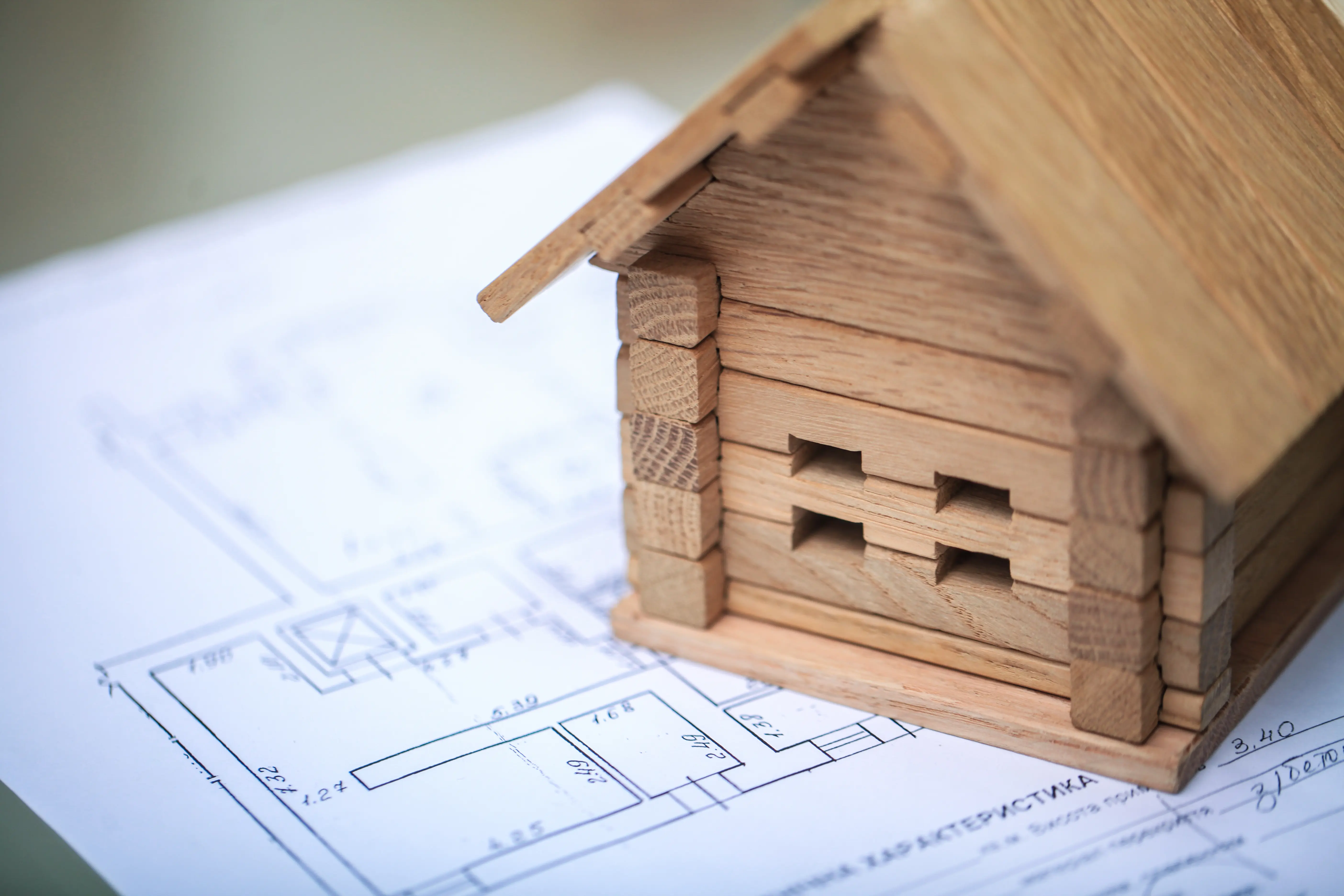
Fences, Patios, and Fire Pits: Do You Need a Permit for Hardscaping in Stark County?
Stark County has no county-wide zoning — permit rules for fences, patios, retaining walls, and fire pits change township to township. Here is what to know.
Put this guide to work.
Get free quotes from Stark County landscapers.
Answer a few questions and we'll connect you with the right local pros for the job.
Or browse every landscapers in Stark County →
The Permit Question Nobody Answers Clearly
You want to put in a paver patio, a fence for the dog, or a fire pit for the backyard. The first question — before the first quote — is whether you need a permit. And in Stark County, the answer is genuinely confusing, because there is no county-wide zoning. Every township and every city sets its own rules.
That means the exact same project can be perfectly fine in one township and require a permit, setbacks, and an inspection one street over. Here's the real, current shape of it for the major Stark County jurisdictions — so you know what to ask before you sign with a Canton hardscaping contractor.
A note before the specifics: zoning codes change, and this is a starting point, not legal advice. Always confirm current rules with your specific township or city zoning office before breaking ground. Reputable contractors pull the permit for you and know the local rules cold.
The One Rule That Applies Everywhere
Stark County has no unified zoning authority. Instead:
- Townships (Jackson, Plain, Perry, Lake, Canton Township, etc.) each adopt their own zoning resolution.
- Cities (Canton, Massillon, North Canton, Alliance) run their own building and zoning departments under the Ohio Building Code and Ohio Residential Code.
So "do I need a permit in Stark County?" has no single answer. It depends entirely on which line on the map your property sits on.
Jackson Township: Fence Yes, Patio No
Jackson Township's rules surprise people because they're the opposite of the neighboring townships in one key way.
- Fences — permit REQUIRED. A zoning permit must be obtained before building a new or replacement fence. Max height is 8 feet; within 20 feet of the front road it drops to 4 feet; minimum 5 feet from the road right-of-way.
- Patios — NO permit. Cement, brick, or block patios installed without footers are not regulated and need no permit.
- Sheds and accessory buildings — permit required, except those 32 sq ft or smaller and under 10 feet tall. Setback is 5 feet for buildings up to 120 sq ft, 10 feet from sides and rear for larger ones.
- Decks — permit required when attached to the house.
- Pools — all in-ground pools and above-ground pools over 3 feet need a permit; in-ground requires a 4-foot enclosure fence with a locking gate.
Plain Township: Patio Yes, Fence No
Plain Township flips Jackson's logic on the two most common projects:
- Fences — NO zoning permit. Fences, walls, and hedges are exempt from permits — but the height rules still apply: max 3 feet in front yards, up to 8 feet in rear and side yards, set back at least 5 feet from the street right-of-way.
- Patios and wood decks — permit REQUIRED. Both need a zoning permit in Plain Township.
- Sheds and accessory buildings — permit required. Up to 200 sq ft: 5 feet from lot lines, 10 feet from the house, max 15 feet tall. Over 200 sq ft: 10 feet from lot lines, max 18 feet tall.
- Pools — above- or below-ground over 3 feet deep require a permit, plus a 4-foot enclosure fence with a locking gate.
The takeaway: a fence-and-patio project that needs one permit in Jackson Township needs the opposite permit in Plain Township. This is exactly why "I heard you don't need a permit" is dangerous advice in Stark County.
North Canton and Canton: City Codes, Online Portals
The cities run more formal building departments:
- North Canton — the Development Services Department administers the Ohio Building and Residential Codes and issues all construction permits. Fences, decks, and structures are governed by the city's Planning and Zoning Code. Permits can be applied for through the city's online citizen-services portal or in person at 145 North Main Street.
- Canton — the city handles site plans, structures, and permits through its building department. Larger hardscaping and any structural work go through formal plan review.
For both cities, the safe move is to call the building department with your specific project and lot before you start. City setback and height rules are stricter and more formally enforced than in the townships.
Retaining Walls: The 4-Foot Rule
This one is closer to consistent across Ohio because it's tied to the Ohio Residential Code (Section 404.4), not just local zoning:
- Under 4 feet (measured from the bottom of the footing to the top of the wall) — generally exempt from a building permit, *unless* the wall supports a surcharge (a slope, driveway, or structure pushing against it).
- Over 4 feet, or any wall holding back a surcharge — requires engineering and a permit. These walls must be designed against overturning, sliding, and water uplift.
A retaining wall holding back a hillside or sitting under a driveway can require a permit even if it's short, because of the surcharge load. When in doubt, a licensed Stark County landscaper or hardscape contractor will know whether your wall crosses the line.
Fire Pits: Fire Code, Not Zoning
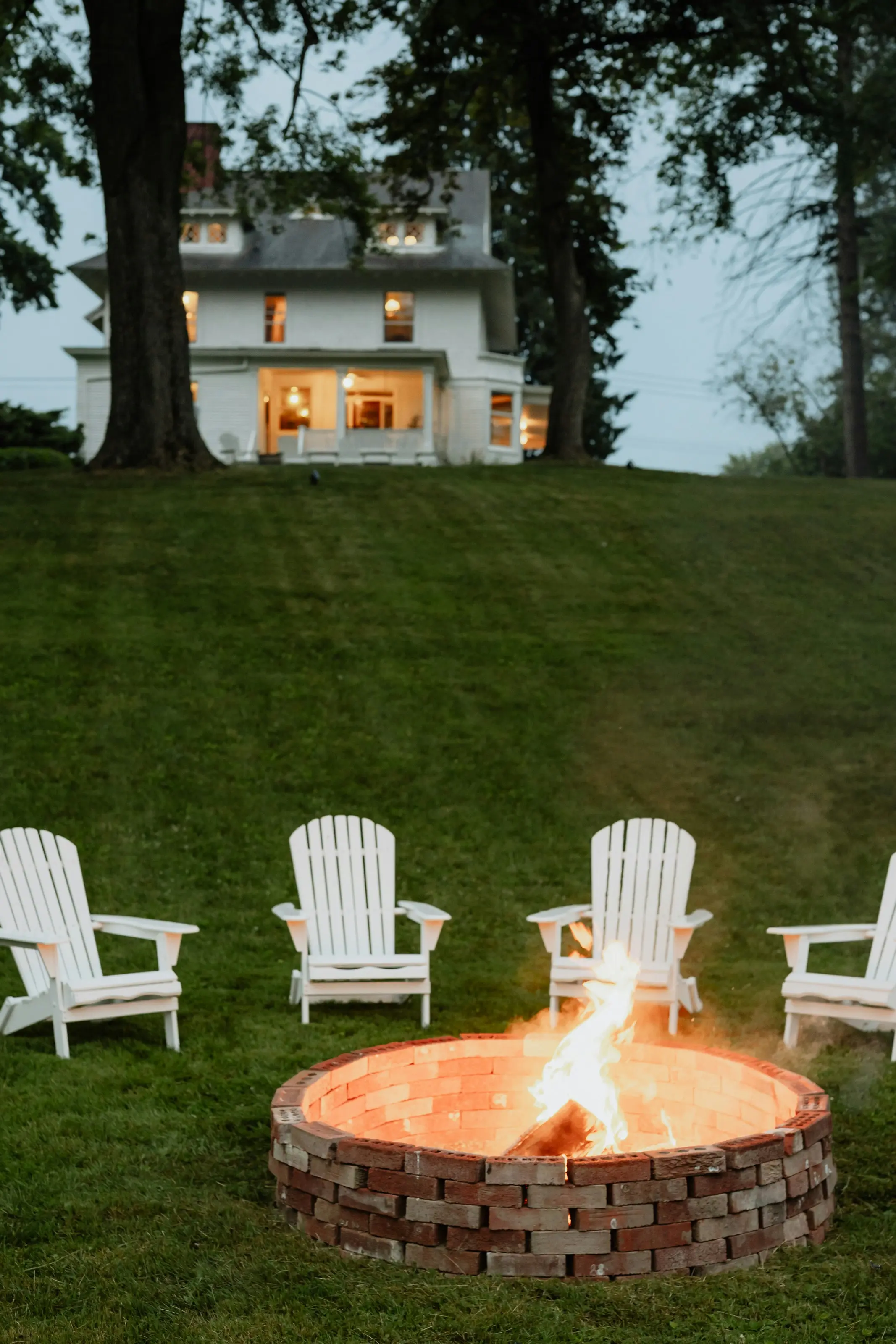
Fire pits are usually governed by the Ohio Fire Code and your local fire department rather than the zoning office. The rules vary, but the common threads:
- Setback from structures and combustibles — commonly 15 to 25 feet, depending on jurisdiction. Portable fire pits often have a smaller required clearance than permanent in-ground ones.
- Open burning rules — Ohio EPA and local fire departments restrict what you can burn and when. Recreational fires with clean, dry firewood are generally fine; burning yard waste or trash is often not.
- Permanent vs. portable — a built-in masonry fire feature may trigger different rules than a store-bought portable unit.
Always confirm the setback with your local fire department before placing a permanent fire feature. It's a five-minute phone call that prevents an expensive teardown.
What This Means Before You Hire
Three practical takeaways:
- Know your jurisdiction. Find out whether your address is in a township or a city, and which one. It changes everything.
- Make the contractor own the permit. A reputable hardscaping pro pulls the permit, knows the local setbacks, and schedules the inspection. If a contractor says "we'll skip the permit to save you money," that's a red flag — unpermitted work can void homeowner's insurance and create problems when you sell.
- Confirm current rules. Codes change. The figures here are accurate as of 2026, but verify with your zoning or building office before you commit.
For pricing on patios, walls, and fences, see our 2026 landscaping cost guide. And if your project involves planting in our notorious local soil, our Stark County clay-soil guide covers what survives here.
Hire a Pro Who Handles the Red Tape
Navigating township zoning is a headache most homeowners would rather skip. Compare quotes from hardscaping and landscaping contractors in Canton, Ohio — and across Massillon, Alliance, and North Canton — who handle the permits and the heavy lifting for you.
Frequently asked questions
Do I need a permit to build a fence in Stark County?
It depends on the township. Jackson Township requires a zoning permit for a new or replacement fence. Plain Township does not require a permit for fences (though height rules still apply). Cities like Canton and North Canton have their own rules. Always confirm with your specific jurisdiction before building.
Do I need a permit for a patio in Stark County?
Again, it varies. Jackson Township does not require a permit for a cement, brick, or block patio installed without footers. Plain Township does require a permit for patios. The opposite-rules situation between neighboring townships is why you should always check locally before starting.
When does a retaining wall need a permit in Ohio?
Under the Ohio Residential Code (404.4), retaining walls over 4 feet tall — measured from the bottom of the footing to the top — require a permit, as does any wall supporting a surcharge (a slope, driveway, or structure), even if it's shorter than 4 feet. Walls under 4 feet with no surcharge are generally exempt.
How far does a fire pit need to be from my house in Stark County?
Fire pit setbacks are set by the Ohio Fire Code and local fire departments, commonly 15 to 25 feet from structures and combustibles depending on jurisdiction and whether the pit is portable or permanent. Confirm the exact distance with your local fire department before installing a permanent fire feature.
Why doesn't Stark County have one set of permit rules?
Ohio gives zoning authority to individual townships and municipalities rather than counties. Stark County has no county-wide zoning, so each township adopts its own zoning resolution and each city runs its own building department. That's why rules differ — sometimes drastically — from one jurisdiction to the next.
Should my contractor pull the permit or should I?
Your contractor should. A reputable hardscaping or landscaping pro pulls the permit, knows the local setbacks, and schedules the inspection. If a contractor asks you to pull the permit "to save money," it often means they're not licensed or are avoiding being on the city's record — a reason to look elsewhere.
Tagged:
Written by
StarkPros Editorial Team
Our team of local Ohio experts covering home services, auto, and wedding vendors across Stark County and the surrounding region. Every guide is reviewed by a local pro before publishing.
Ready for landscapers in Stark County?
Get matched with the right local pros.
Real reviews from real Stark County neighbors. Free quotes in under two minutes.