Surviving Stark County Clay: The Best Plants and Mulch for Your Canton Yard
Northeast Ohio clay soil drowns roots and bakes hard in August. Here are the clay-tolerant native plants and the right mulch for a Canton, Ohio yard.
Put this guide to work.
Get free quotes from Stark County landscapers.
Answer a few questions and we'll connect you with the right local pros for the job.
Or browse every landscapers in Stark County →
Why Your Canton Yard Fights You
If you have ever tried to dig a hole in a Stark County yard in late July and hit something with the consistency of a clay flowerpot, you already understand the core challenge of landscaping here. Most of Canton, Massillon, and the surrounding townships sit on glacially deposited loamy clay — soil that holds water like a bowl in spring and cracks hard in the August heat.
Clay isn't bad soil. It's actually nutrient-rich. The problem is structure: it compacts easily, drains slowly, and suffocates plant roots that aren't built for it. Plant the wrong thing and you get root rot by June. Plant the right thing and you get a yard that thrives on the same dirt that killed your neighbor's hydrangeas.
Here's what actually works in Stark County clay — and when to call in local landscapers in Canton, Ohio who have the equipment to fix the soil structure itself.
First, Understand What You're Working With
A few facts that shape every planting decision in our area:
- Hardiness zone: Canton sits in USDA Zone 6b on the current (2023) map — winter lows of -5°F to 0°F. The 2012 map had us in 6a, so older plant tags may be a half-zone conservative.
- Soil type: Glacially deposited loamy clay. Well-drained on paper, compaction-prone in practice.
- Last frost: Mid-May (around May 15) for most of Stark County. Don't put tender plants in the ground before then.
- The clay tell: Roll a handful of moist soil into a ball. If it holds a ribbon when you press it between thumb and finger, you've got real clay content.
The single most important rule: never dig or till clay when it's wet. Working wet clay destroys what little structure it has and bakes it into concrete-hard clods. Wait until a squeezed handful crumbles apart rather than smearing.
The Best Clay-Tolerant Plants for Full Sun
These natives don't just tolerate Stark County clay — several actively improve it. Deep taproots punch through compaction and open channels for water and air.
Black-Eyed Susan (Rudbeckia)
The workhorse of clay gardens. Fast color, heavy pollinator traffic, and a deep taproot system that gradually loosens compacted clay as it grows. Nearly impossible to kill once established.
Purple Coneflower (Echinacea purpurea)
Full to partial sun, tolerates clay and dry spells once rooted. A Stark County summer staple that feeds bees and goldfinches into fall.
Blue Wild Indigo (Baptisia australis)
A shrub-sized perennial with blue-purple flower spikes in late spring. Develops a deep root system that handles clay and drought, and holds its structure all season.
Blazing Star (Liatris)
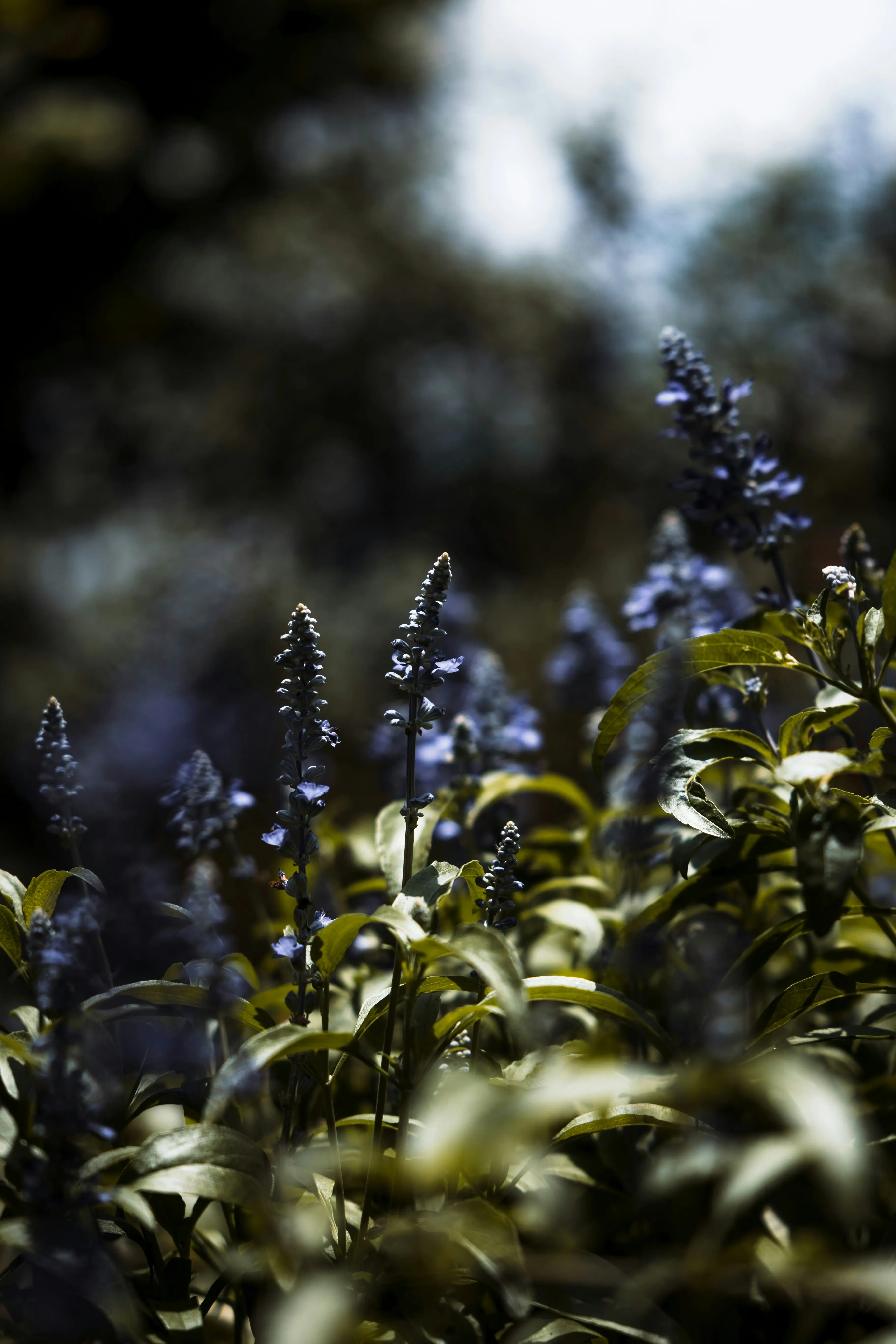
Vertical purple spikes that bring height and serious pollinator appeal to sunny clay beds. Grows from a corm that's well-suited to heavier soils.
The Best Clay-Tolerant Plants for Shade
The north side of the house, under the maples, the perpetually damp corner — these spots plus clay are where most plants give up. These don't:
Hostas
The classic Ohio shade answer for a reason. They shrug off clay, spread into weed-suppressing clumps, and come back bigger every year.
Wild Ginger (Asarum)
A native groundcover that handles deep shade and heavy clay, forming a thick carpet of heart-shaped leaves that crowds out weeds.
Foamflower (Tiarella cordifolia)
Genuinely elegant in shade, and handles clay well as long as moisture stays consistent. A secret weapon for the dark corners.
Fringed Bleeding Heart
Pink heart-shaped flowers from spring into fall — rare staying power for a shade perennial — and it's both deer- and rabbit-resistant.
Clay-Tough Trees and Shrubs
If you're planting bigger:
- Eastern Redbud — adapts easily to clay, and the early-spring purple bloom is a Stark County favorite.
- Wild Plum — clay-tolerant, low-maintenance, and feeds pollinators and birds.
How to Actually Fix Clay Soil (and the Gypsum Myth)
Here's where most homeowners waste money. The bag of gypsum at the garden center promising to "break up clay"? Skip it. Gypsum only helps sodic soils — the high-sodium clays found in the arid West and some coastal areas. Northeast Ohio clay is not sodic. Gypsum will do essentially nothing for your Canton yard unless a soil test specifically calls for it.
What actually works:
- Compost, and lots of it. Organic matter is the only real fix. Compost coats the clay particles, reduces how tightly they cohere, and feeds the microorganisms that restructure the soil over time. Work 2-3 inches into the top layer of a bed.
- Amend the whole bed, not the planting hole. Digging a rich hole in clay creates a "bathtub" — water flows in, can't drain out through the surrounding clay, and rots the roots. Improve the entire bed so water moves consistently.
- Keep the soil covered. Bare clay bakes and crusts. Mulch or living plants keep it cooler, hold moisture, and keep the biology active.
- Be patient. Clay improves over seasons, not weekends. Each year of compost and mulch compounds.
Hardwood vs. Dyed Mulch: Which for Stark County?
Mulch isn't just cosmetic here — it's how you protect clay from baking and crusting through an Ohio summer. The two main choices:
Natural Hardwood Mulch
- Pros: Cheaper, blends naturally, and — critically for clay — decomposes into organic matter that improves soil structure over time. It's working for your dirt, not just on top of it.
- Cons: Fades to gray faster (often within a season), needs replenishing once or twice a year, and can nudge soil slightly alkaline as it breaks down.
Dyed Mulch (Black, Brown, Red)
- Pros: Holds color far longer, decomposes slowly, and gives beds a crisp, uniform look.
- Cons: Adds fewer nutrients to the soil, costs more, and the wood is often recycled from pallets or construction debris — which can be of unknown origin. Black dyed mulch also absorbs and holds more heat, which stresses plants in full sun.
The Stark County verdict: If your goal is improving clay over time, natural hardwood mulch is the better long-term investment — it feeds the soil while it protects it. If you want low-maintenance curb appeal and you've already got your soil where you want it, dyed mulch holds its look longer. Many homeowners use hardwood in planting beds (for soil health) and dyed mulch along high-visibility walkways (for the look).
Most Stark County landscapers charge per cubic yard delivered and spread — see our 2026 landscaping cost guide for current mulch pricing, and Canton landscaping cost benchmarks for the full menu.
When to DIY and When to Call a Pro
Planting clay-tolerant perennials and spreading a few yards of mulch is reasonable weekend work. Where it gets hard — literally — is when the soil structure itself needs fixing:
- Regrading to move water away from the foundation (clay holds water against the house)
- Drainage solutions like French drains in chronically soggy clay
- Bed installation that requires breaking and amending large compacted areas
- Tree and large-shrub planting where the root ball needs proper clay-busted backfill
These need equipment and know-how. If you're staring at a yard that drowns every spring or bakes every August, compare quotes from landscapers in Canton, Ohio who have the machinery to fix the dirt itself — not just plant on top of it. For the bigger picture on year-round yard care, see our seasonal home maintenance checklist.
Planning Hardscaping Too?
If your clay-soil fix involves a retaining wall, patio, or raised bed with a wall, check the permit rules first — they vary wildly between Stark County townships. Our Stark County hardscaping permit guide breaks down who needs a permit for what.
Start With the Right Pro
Canton clay is fixable, but it rewards people who know the local soil. If you want a head start on who to call, our roundup of the best landscapers in Canton, Ohio covers the crews most equipped for soil and drainage work. Compare quotes from vetted landscapers across Canton — and Massillon, Alliance, and North Canton — who plant for the dirt we actually have.
Frequently asked questions
What plants grow best in Stark County clay soil?
For full sun: black-eyed Susan, purple coneflower, blue wild indigo, and blazing star — all clay-tolerant natives, several with deep taproots that improve the soil. For shade: hostas, wild ginger, foamflower, and fringed bleeding heart. Eastern redbud and wild plum are the go-to clay-tough trees.
Does gypsum break up clay soil in Ohio?
No. Gypsum only improves sodic (high-sodium) clay, which is found in the arid West and some coastal areas — not Northeast Ohio. Adding gypsum to Stark County clay does essentially nothing. The real fix is compost worked into the whole bed, plus mulch on top, applied consistently over several seasons.
What USDA hardiness zone is Canton, Ohio?
Canton is in USDA Zone 6b on the 2023 map (winter lows of -5°F to 0°F). The older 2012 map listed the area as 6a, so plant tags printed before 2023 may be a half-zone conservative. The last spring frost is typically around May 15.
Should I use hardwood or dyed mulch?
Natural hardwood mulch decomposes into organic matter that improves clay over time — the better choice for planting beds and long-term soil health. Dyed mulch holds its color longer and looks crisp, but adds fewer nutrients and may come from recycled wood of unknown origin. Many Stark County yards use hardwood in beds and dyed mulch along walkways.
Why does water pool in my Canton yard?
Compacted clay drains slowly, so spring rain and snowmelt sit on the surface or against the foundation instead of soaking in. Fixes range from amending beds with compost to regrading and installing French drains. Chronic pooling against the house is worth a professional drainage assessment before it causes foundation issues.
When can I start planting in Stark County?
Wait until after the last frost, around May 15, for tender annuals and most perennials. Hardy natives can go in earlier. Never plant — or dig — when the clay is wet; working wet clay destroys its structure. Test by squeezing a handful: it should crumble apart, not smear.
Tagged:
Written by
StarkPros Editorial Team
Our team of local Ohio experts covering home services, auto, and wedding vendors across Stark County and the surrounding region. Every guide is reviewed by a local pro before publishing.
Ready for landscapers in Stark County?
Get matched with the right local pros.
Real reviews from real Stark County neighbors. Free quotes in under two minutes.