64 prosavg 4.8industry avg $75–$200 per visitlicense & insurance verifiedupdated May 2026
Pick a specific service to narrow down to pros who offer it.
Need an HVAC pro in Canton, Ohio? Compare local pros, read real reviews, and request a free quote — same-day response when it's urgent.
Canton is Stark County's seat and largest city, with deep neighborhoods of pre-war and mid-century housing. Local pros service neighborhoods including Ridgewood, West End, Cherry Park. A lot of Canton's housing stock is 1920s–1960s, so jobs commonly involve cast-iron drain stacks, original knob-and-tube wiring updates, and slate-tile or asphalt roof transitions. Tell us what you need and we'll connect you with Canton pros your neighbors already hire — locally owned, license-checked, and backed by real reviews.
Average price ranges reported by Stark County homeowners.
Prices are estimates based on Stark County averages. Actual costs vary by project scope, materials, and timeline.
What you should know
Heating and cooling is the biggest mechanical system in your house, and the most expensive to get wrong. A $7,000 furnace installed badly costs more in lost efficiency than the original quote. Here's what Stark County HVAC actually costs, when to repair versus replace, and how to spot the contractors who oversize systems to chase margin.
Call now
Schedule this season
Lean repair
Lean replace
The rule of thumb most Stark County HVAC contractors use: multiply the repair cost by the system's age in years. If the result is more than $5,000, replace. A $500 repair on an 8-year-old system: 500 × 8 = $4,000, repair. A $700 repair on a 14-year-old system: 700 × 14 = $9,800, replace. Imperfect but honest.
Mid-2026 quotes from licensed Stark County HVAC contractors. Federal IRS 25C tax credits available on high-efficiency systems through 2032 — up to $2,000 on heat pumps, $600 on high-efficiency furnaces. Confirm eligibility with your installer.
$89-180 per visit
Annual maintenance: cleaning, safety checks, capacitor test, filter replacement, refrigerant level check. Many shops offer 2-visit/year membership plans at $150-250 total — usually worth it if you have both AC and furnace.
$200-1,200 per repair
Ignitor: $200-350. Flame sensor: $250-400. Blower motor: $500-900. Inducer motor: $600-1,100. Heat exchanger: $1,200-2,500 (usually triggers replacement conversation).
$200-1,500 per repair
Capacitor: $200-350. Contactor: $250-400. Refrigerant recharge (R-410A): $250-500. Refrigerant recharge (R-22): $500-1,500 (depending on amount and current spot price).
$3,000-5,500 turnkey
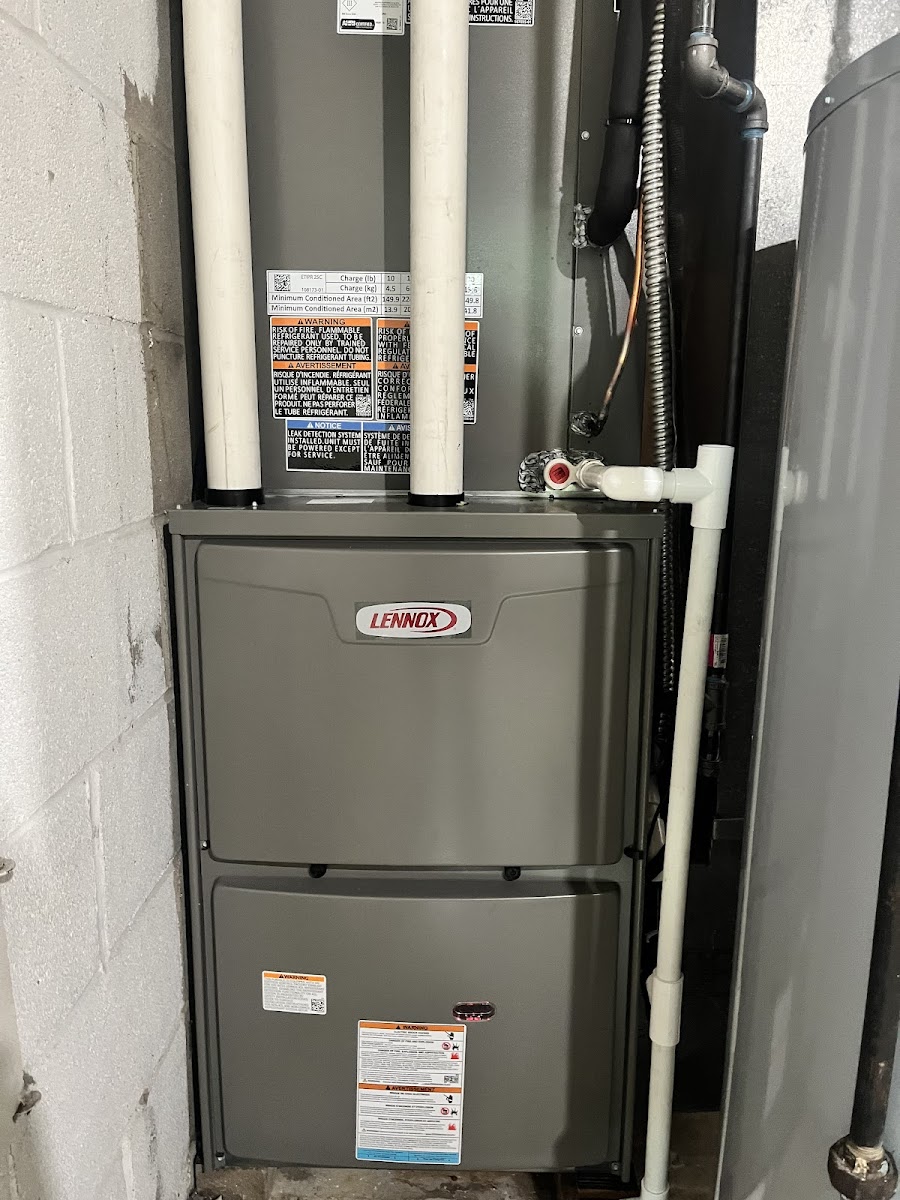
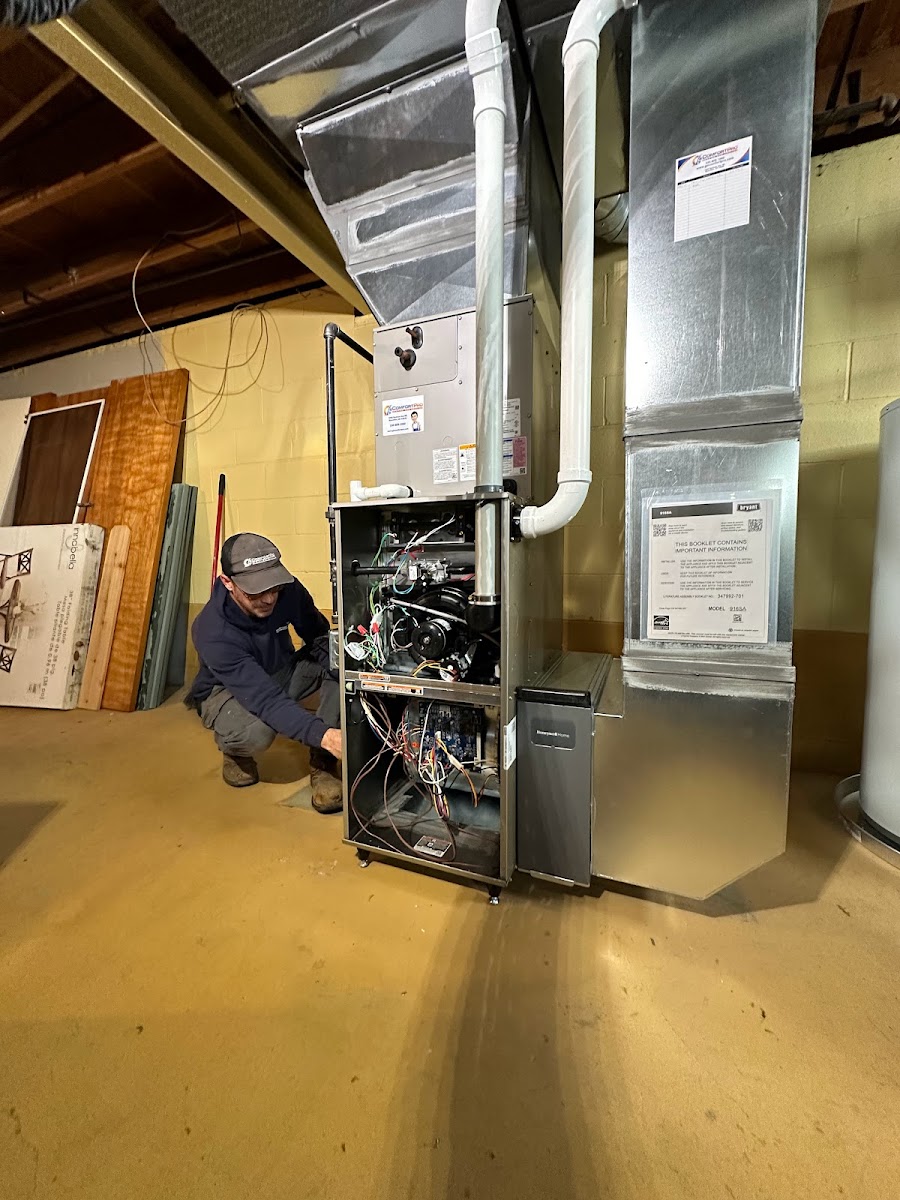
60-80,000 BTU gas furnace, replacing existing unit. Includes permit, vent inspection, basic ductwork connection. Note: 80% is being phased out — most installers now recommend 90%+.
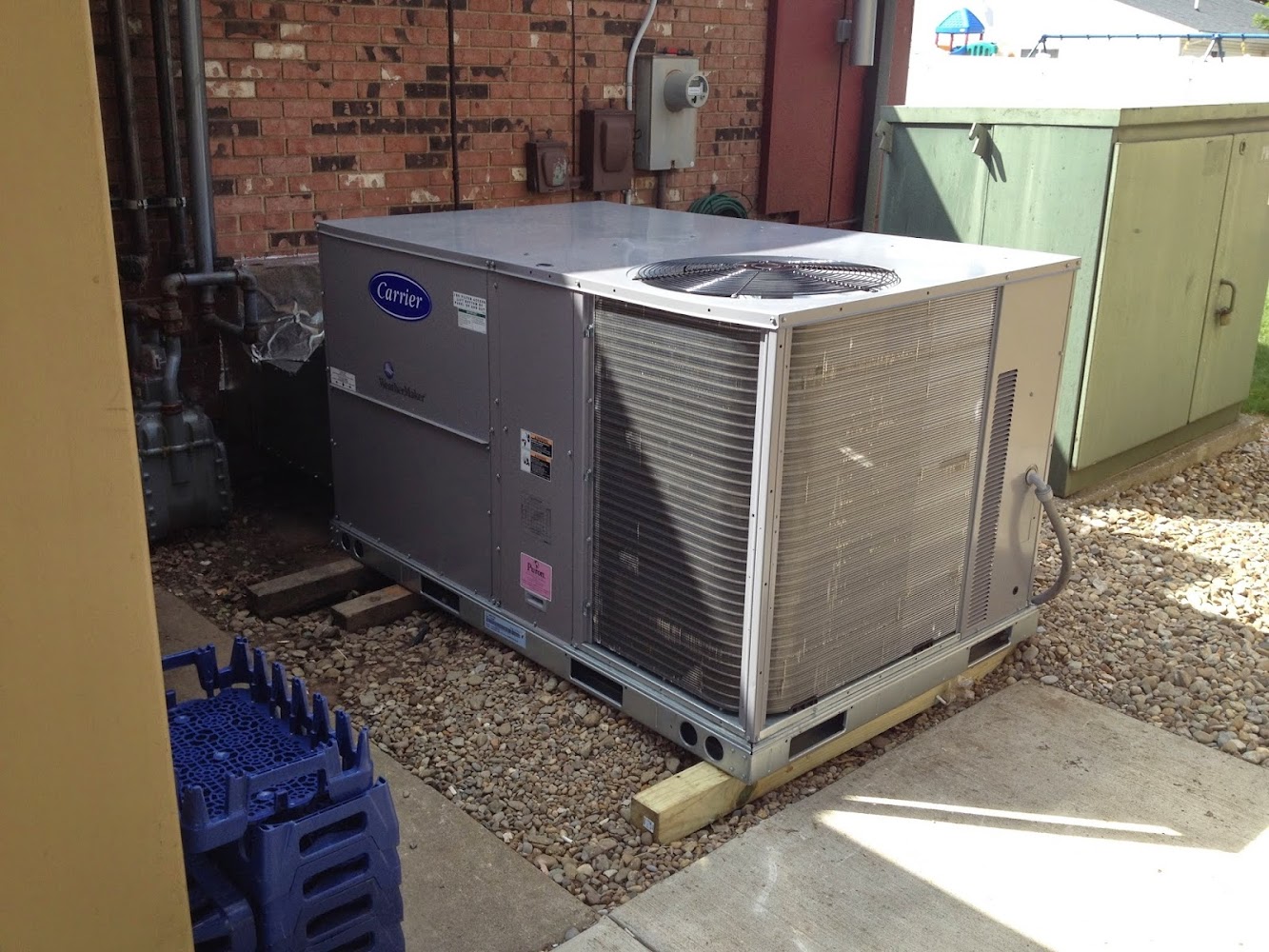
$4,500-7,500 turnkey
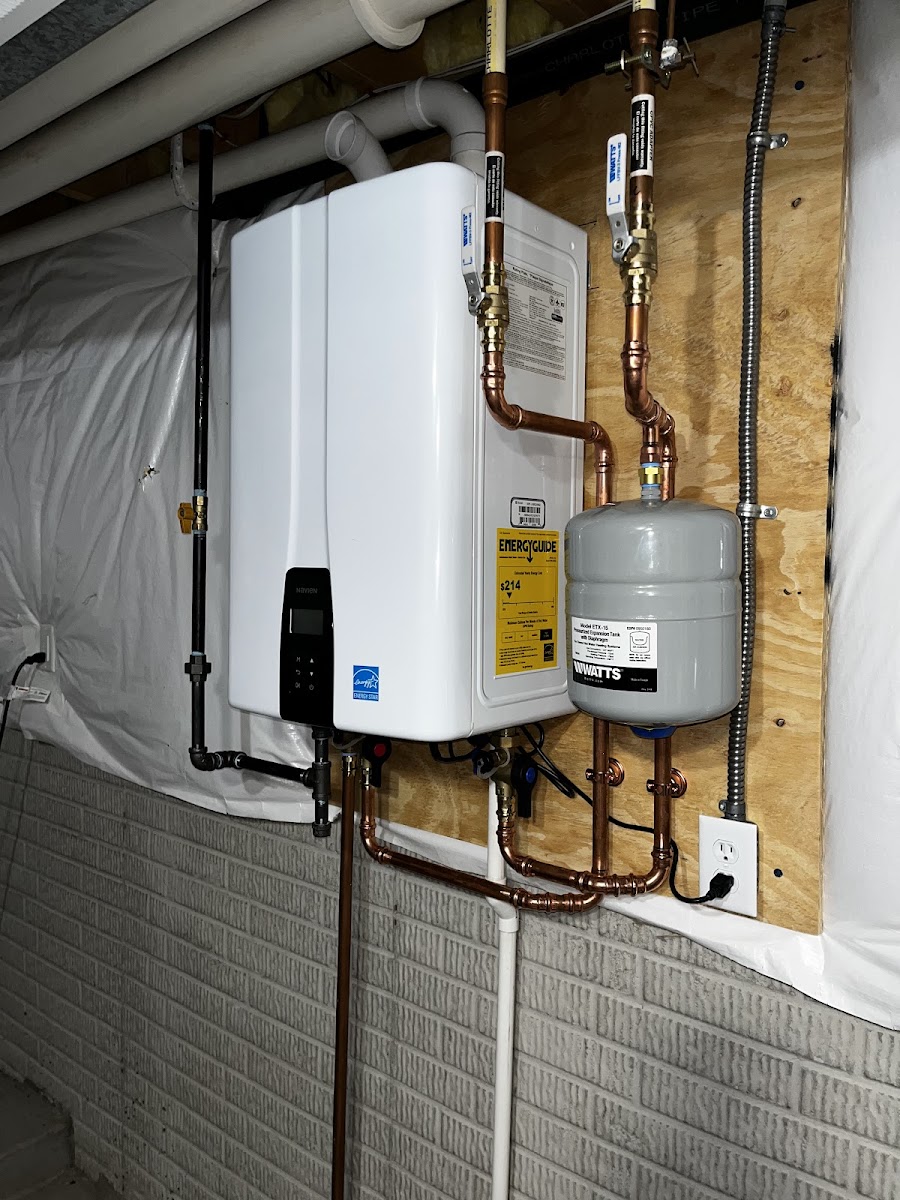
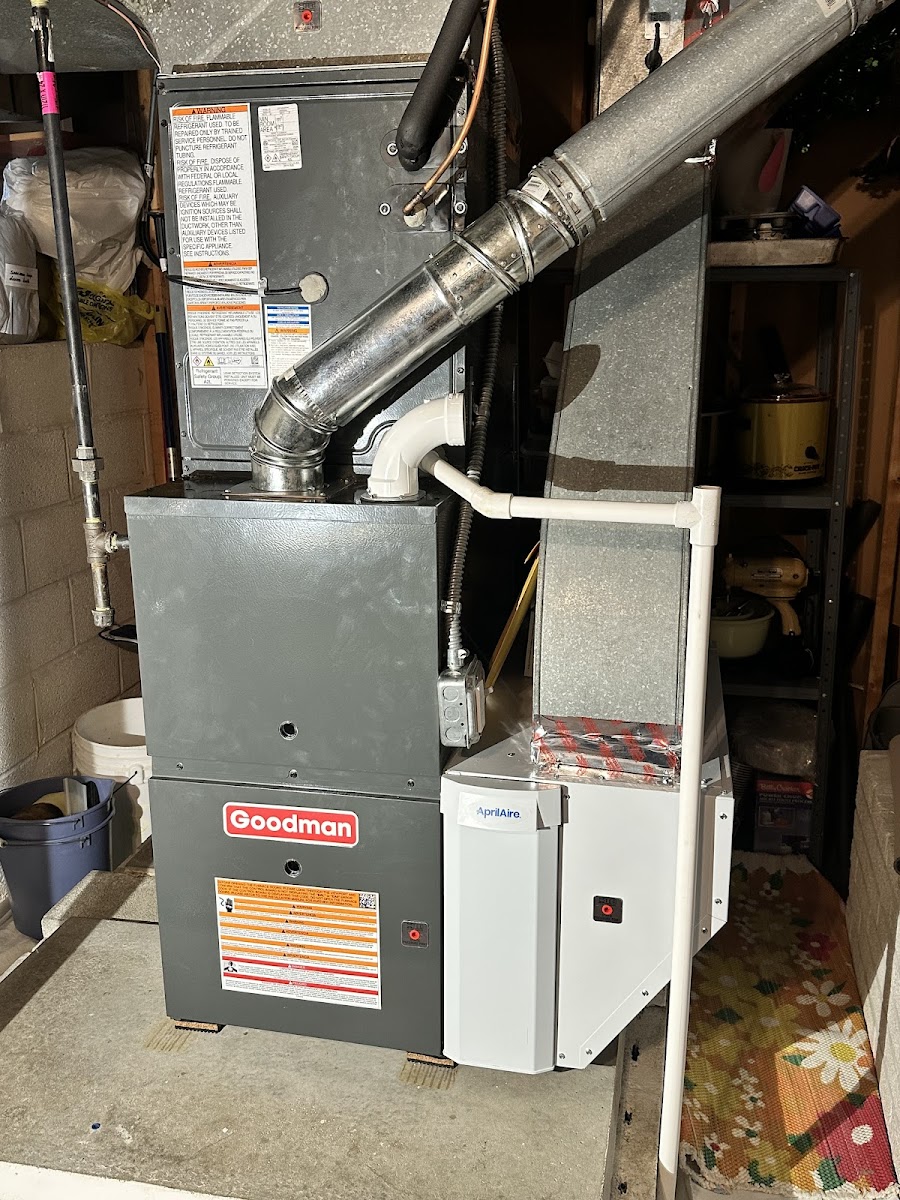
80,000 BTU 95% AFUE Trane or Carrier mid-tier. Includes new venting (PVC, not metal — high-efficiency requires it), condensate drain, permit. Federal tax credit eligible at 95%+.
10-year parts + heat exchanger from manufacturer, 1-2 year labor warranty from most local installers
$4,000-8,000 turnkey
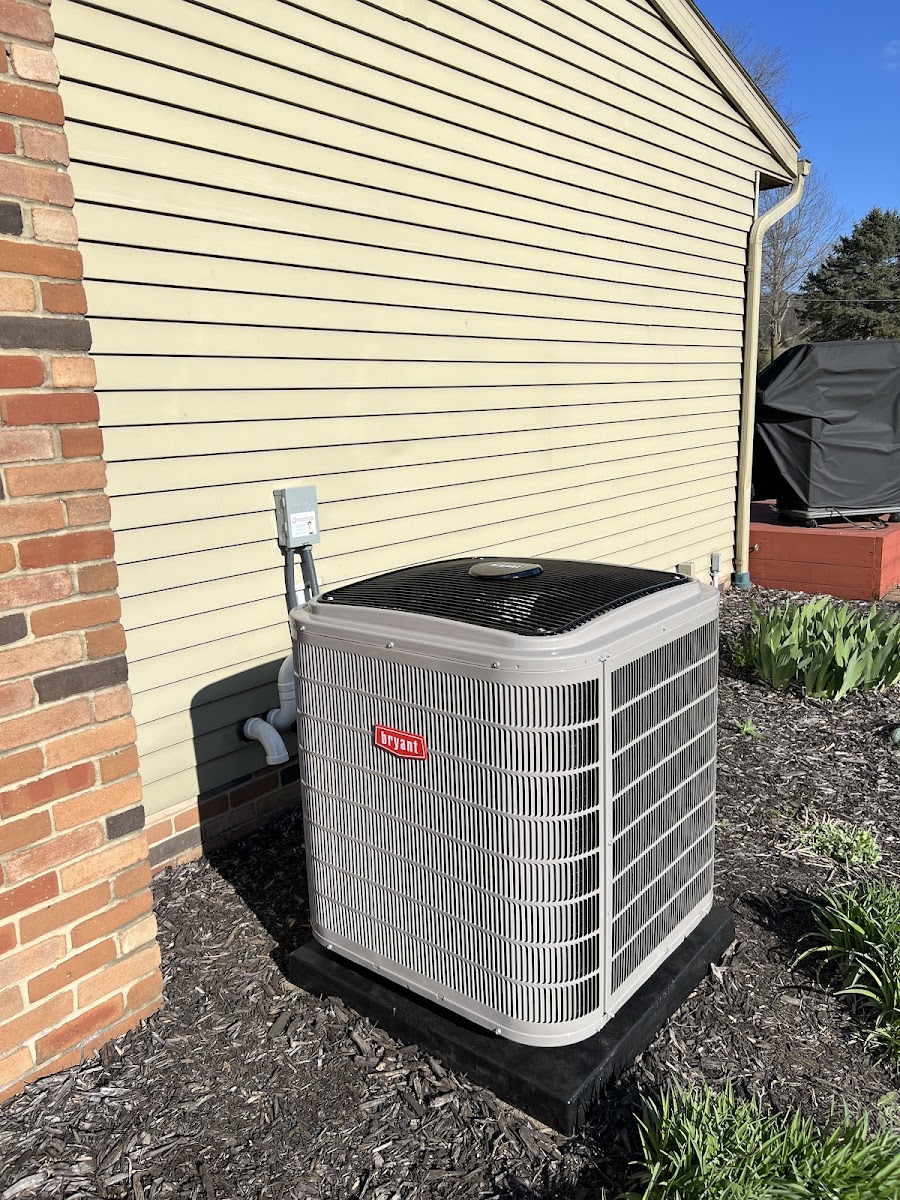
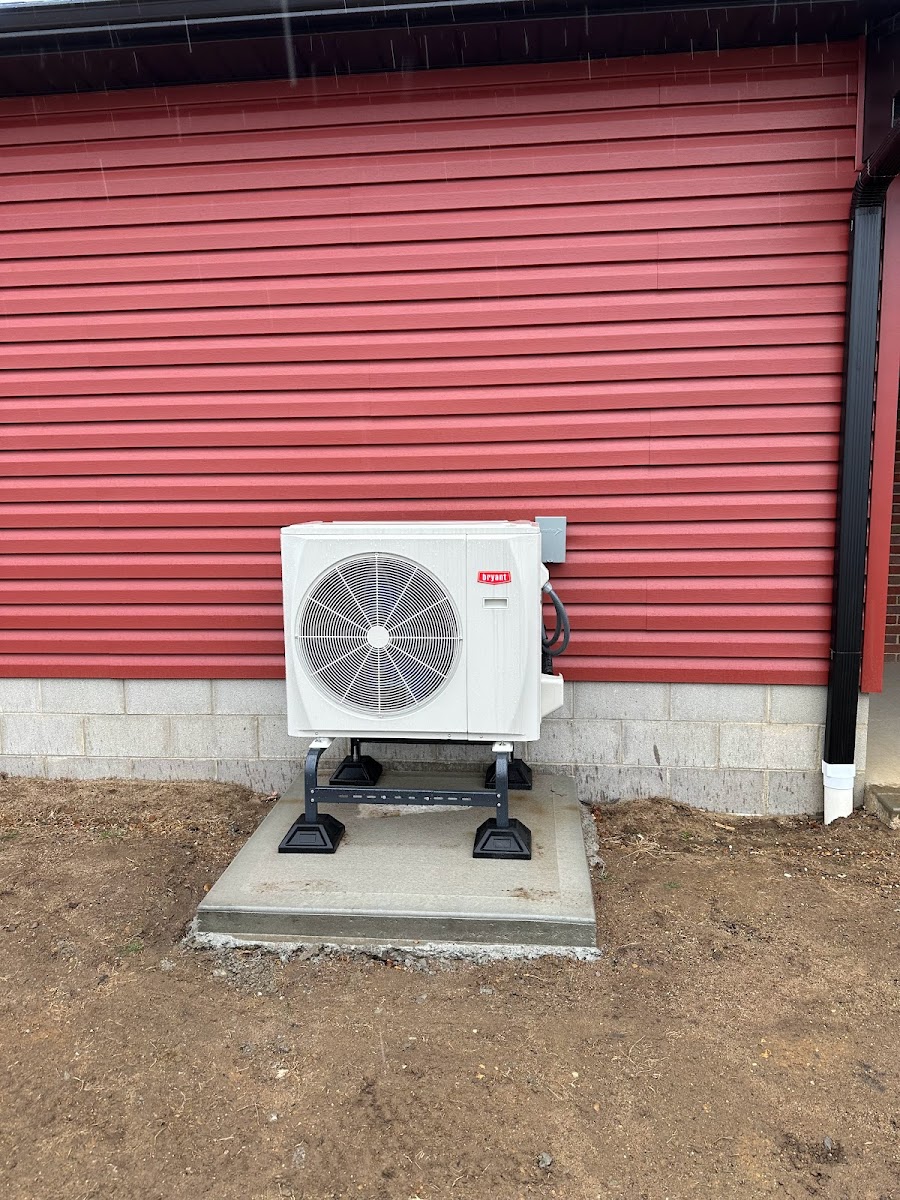
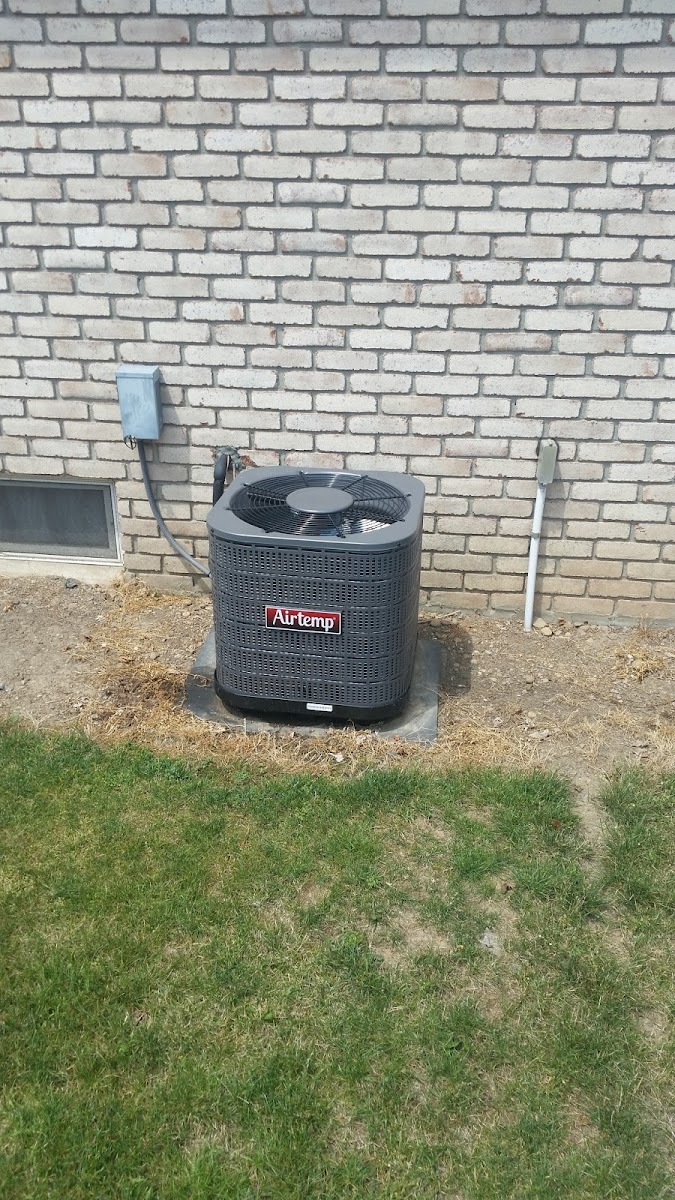
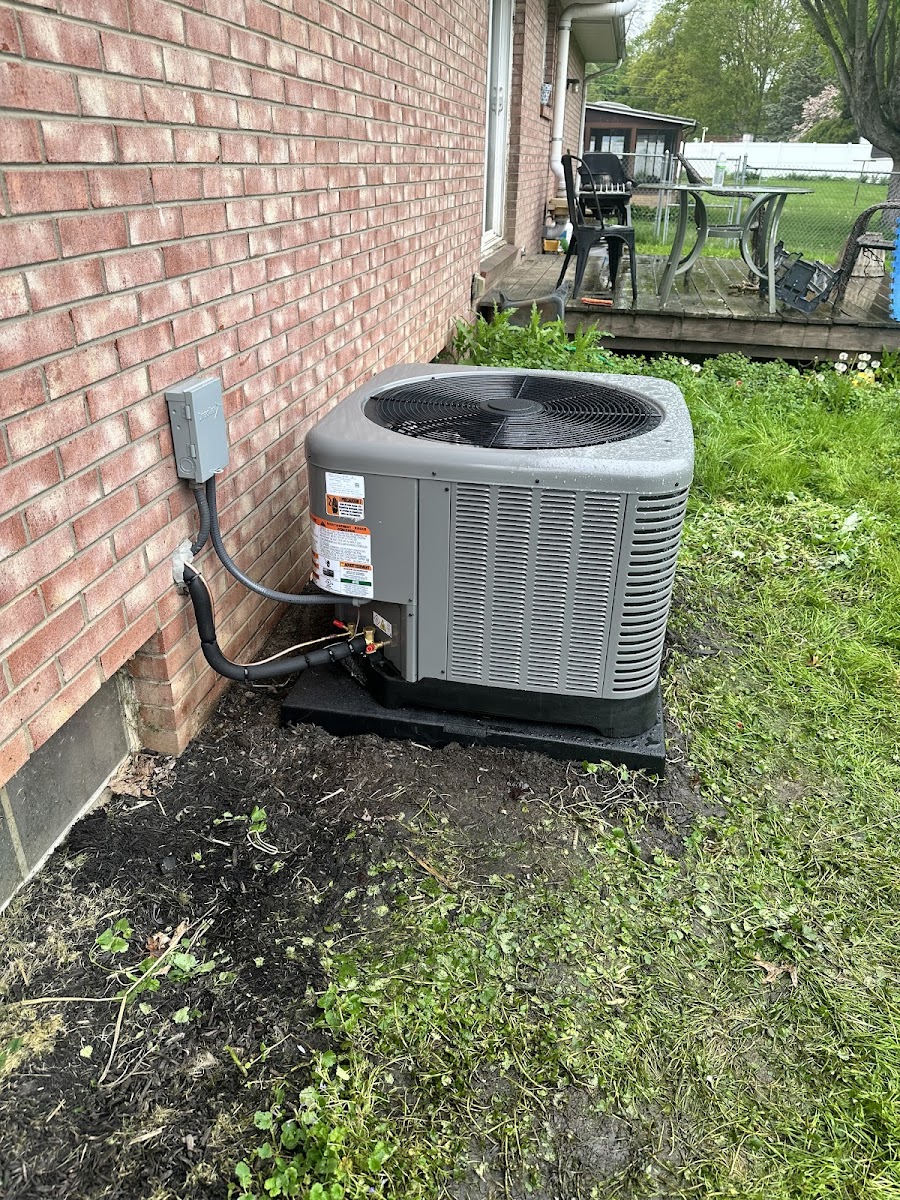
2.5-3.5 ton (typical Canton 1,500-2,200 sq ft home), 14-16 SEER mid-tier. Includes line set, condenser pad, electrical work, refrigerant charge, permit. Higher SEER (18-20) costs $1,500-3,000 more.
$7,500-15,000 turnkey
95% AFUE furnace + 16 SEER AC for a 2,000 sq ft home: $9,500-12,500 typical. Higher-end systems with variable-speed blower and 18+ SEER AC: $12,000-15,000.
$7,000-15,000 turnkey
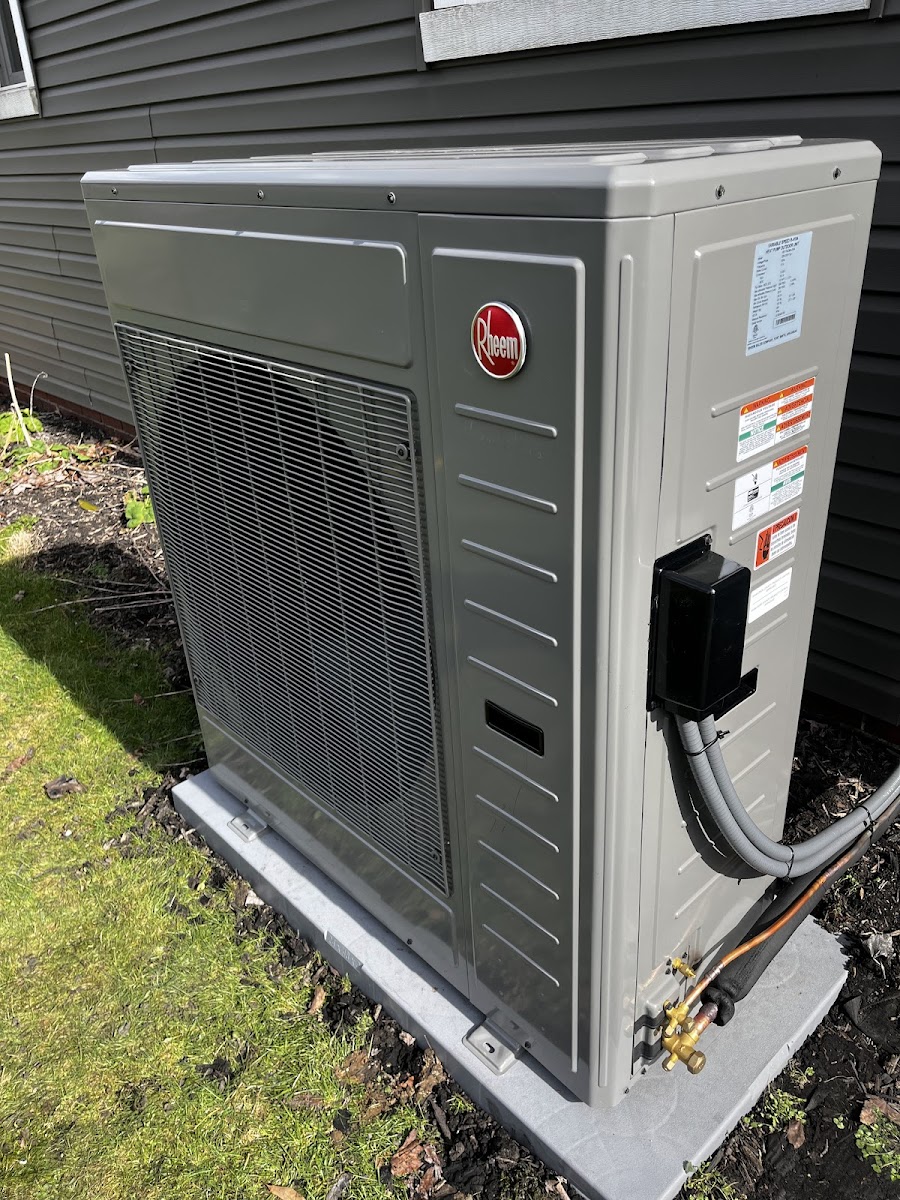
Trane XV18, Carrier Infinity, or Mitsubishi Hyper-Heat for a 2,000 sq ft Canton home. Heats reliably to -13°F. Often paired with backup electric or gas heat for the coldest nights. Federal tax credit up to $2,000.
$4,000-8,000 per zone installed
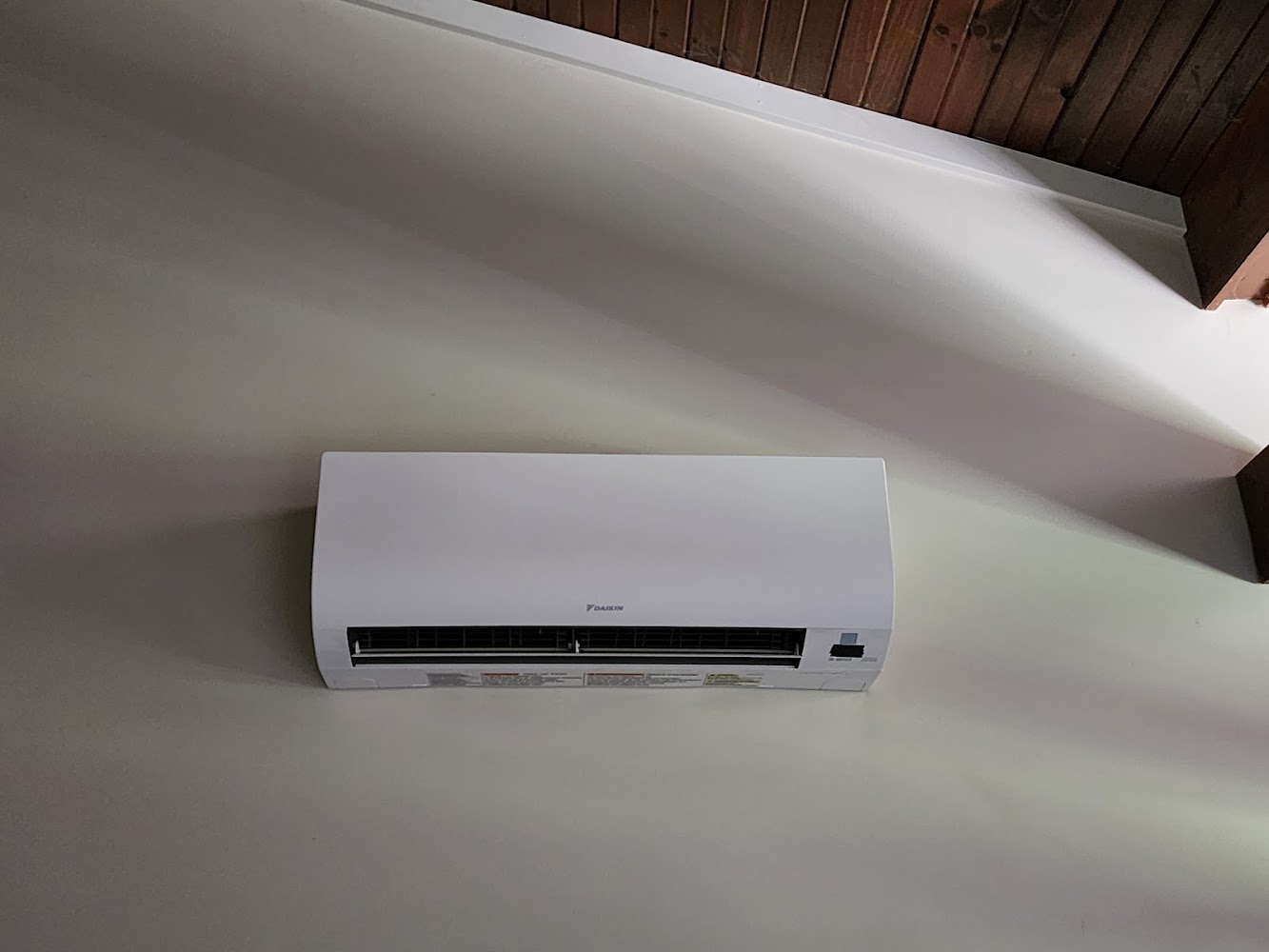
Wall-mounted indoor head + outdoor condenser for one room. Good for additions, bonus rooms, or houses without ductwork. Federal tax credit eligible. Quiet, efficient, but visible.
$400-800 per home
Whole-house clean of supply and return runs, plus the air handler. Honest about this: real duct cleaning ($600-800, multi-hour, NADCA-certified) is meaningfully different from "$99 special" door-to-door services that take 45 minutes and miss most of the system.
$250-500 installed
Nest, ecobee, or Honeywell — your thermostat or installer-supplied. Includes pulling a C-wire if your existing thermostat doesn't have one (common on 1970s-90s wiring). Self-install possible for handy homeowners; the C-wire question is the typical complication.
NWS Cleveland data: 35-40 days per winter below 32°F in Canton, 8-12 days below 10°F, a handful below zero. Cold but manageable — heat pumps with cold-climate ratings now cover this. The traditional advice that "heat pumps don't work in Ohio" was true 15 years ago and is wrong today. Mitsubishi Hyper-Heat, Trane XV-series, and Carrier Infinity Heat Pump models all maintain rated heating capacity to -13°F, which exceeds Stark County's coldest typical winter night.
Stark County summers peak 85-92°F with 65-78% relative humidity in July-August. Humidity matters more than temperature for AC sizing — an undersized AC handles temperature but not humidity, leaving you 75°F and clammy. An oversized AC short-cycles, doesn't run long enough to pull moisture, leaves you 73°F and clammy. Properly-sized variable-speed AC handles both. This is why correct Manual J sizing matters more here than in dry-climate states.
Houses built 1960-1990 in much of Stark County were specified for the smaller, less-efficient HVAC systems of that era. When the system gets replaced with a modern higher-airflow unit, the existing ductwork often becomes the bottleneck — particularly the return air side. Symptoms: blower runs constantly trying to draw enough air, rooms farthest from the unit don't get conditioned, system sounds louder than it should. Fix: add a return-air run ($800-1,800) or upgrade the trunk duct ($2,000-5,000). Most homeowners never connect the dots; a good HVAC contractor will.
Most Stark County homes built before 1990 have R-19 to R-30 attic insulation. Modern Ohio code calls for R-49. Adding insulation (blown-in cellulose: $1,500-3,500 for a typical home) often reduces HVAC sizing requirements and pays back in 5-7 years on energy savings. Worth doing before replacing the HVAC system, not after — a smaller right-sized system on a properly-insulated home is cheaper to buy and operate.
Federal tax credits, electricity-cost stability, and improving cold-climate technology are all pushing Stark County homeowners toward heat pumps. The math now works for many homes. But: gas furnaces remain cheaper to install ($4,500-7,500 vs $7,000-15,000 for heat pumps), operate marginally cheaper through Ohio winters at current gas prices, and the technology is mature. If your gas bill isn't extreme and your existing system was a furnace, a furnace replacement is still defensible. The strong heat pump case is for: all-electric homes, new construction, or homes where the AC needs replacing anyway and the heat pump can do both jobs.
Full system replacement is the canonical HVAC project. Here's how the week-plus typically runs from first call to commissioning.
60-90 minutes on site
Contractor measures rooms, checks insulation, inspects existing ductwork, reads existing equipment labels. Should perform a Manual J load calculation (or commit to doing one before the quote). "Rule of thumb" sizing without measurements is a red flag.
1-5 business days after assessment
Specifies equipment brand and model numbers, AFUE/SEER ratings, BTU sizing, ductwork modifications if any, electrical work, permit, tax-credit eligibility. Includes itemized price by component, not a single lump sum.
1-2 weeks for in-stock, 4-6 weeks for high-end or specialty
Mid-tier equipment is usually in stock at regional distributors. Premium tiers (variable-speed, top-end heat pumps) can have lead times. Confirm the install date when you sign.
1-3 business days
Your contractor handles. Canton, Massillon, Alliance, and most townships require HVAC permits for any new install or major component replacement.
1 day (single component) to 3 days (full system + ductwork)
Furnace-only replacement: 1 day. AC-only: 1 day. Full furnace + AC + significant ductwork: 2-3 days. Crews typically arrive 8-9am, work through, finish same-day for component swaps.
Last hour of install day
Contractor runs the system through heating + cooling cycles, verifies airflow at major registers, programs the thermostat, walks you through filter location and replacement schedule, hands over manuals and warranty paperwork.
1-3 business days after install
Inspector verifies the work meets code — venting, electrical connections, condensate drainage, gas connections for furnaces. Your contractor schedules. Most jobs pass first time.
Bad-actor patterns repeat — these are the ones to recognize.
Furnace emergency season. Lead times stretch, pricing peaks for furnace replacements. AC installs are easier to schedule but irrelevant. Plan furnace replacement BEFORE winter — late summer or early fall is the sweet spot if you can see it coming.
Pre-AC tune-up season. Get your AC checked before the first hot week. Demand moderate, pricing fair. Good window for full-system replacements (both furnace and AC) — contractors have time for the bigger jobs.
AC emergency season. Lead times stretch, emergency rates apply on weekends and holidays. Install pricing peaks. Furnace work easier to schedule but rare. If your AC dies in July, the next-week wait is the realistic timeline at most reputable shops.
The sweet spot. Pre-winter furnace tune-up demand picks up, but emergency calls haven't started. Best window for proactive furnace replacement — wait until something breaks in January and you'll pay 15-25% more plus the emergency stress.
The questions Stark County homeowners actually ask before signing a contract.
An AC tune-up runs $75 to $200 and is worth doing every spring. Furnace repair averages $150 to $600 depending on the part. A new central AC installation is $3,000 to $7,000 including the air handler. Duct cleaning runs $300 to $500 for a whole home. Emergency calls (no heat in February, no AC in July) add $100 to $200 to the labor rate.
Gas furnaces last 15 to 20 years in Canton when maintained. Replace if yours is over 15 years old AND showing problems (uneven heating, rising gas bills, frequent repairs). A new high-efficiency unit (95%+ AFUE) cuts winter gas bills 20 to 30 percent versus a 1990s 80% AFUE furnace. Ohio rebates through Columbia Gas and energy programs can knock $500 to $1,500 off the install.
Modern cold-climate heat pumps work efficiently down to 5°F, which covers most Canton winter days. Below 5°F they switch to backup heat (electric strip or gas). The math: heat pumps cost $8,000 to $14,000 installed versus $4,000 to $7,000 for a high-efficiency gas furnace, but they cut operating cost 30 to 50 percent and qualify for federal tax credits up to $2,000.
Usually a ductwork issue. Common causes: a blocked or closed register, a duct disconnected in the attic or basement, undersized return ducts on one branch, or insulation gaps near that room. A Canton HVAC pro can do a static-pressure test and infrared survey to pinpoint it. The fix is often $500 to $2,000 — much cheaper than a whole-system replacement.
Most do. A typical plan is $150 to $300 per year and covers two visits (spring AC, fall furnace) plus priority service, no overtime fees, and a 10 to 15 percent discount on repairs. Worth it if your system is over 10 years old. Newer systems on a manufacturer warranty may already require annual professional service to keep the warranty valid.
Browse HVAC pros on StarkPros who serve Canton and the surrounding Stark County area. Each listing includes reviews from past customers, service details, and a direct quote request form — so you can compare options before reaching out.
Rates depend on the job — things like project size, materials, and timeline all factor in. The best way to get an accurate number is to describe your project and request quotes from a few Canton HVAC pros so you can compare.
Businesses on StarkPros can earn a verified badge once we confirm their license and insurance status. Look for the badge on their profile. If a listing doesn't have one yet, you can always ask the pro directly before hiring.
Your request goes directly to the pro you selected (or to HVAC pros in your area if you used the general form). They'll reach out to discuss your project, timeline, and pricing. It's free, and the decision to hire is always yours.
Not finding what you need? Describe your project and we'll connect you with available hvac in Canton.
Everything you might want to know before hiring.
From tune-ups to full system replacement